Weeks later, the storm isn't over for these Southland families
An Olympia Fields mother raced to charge her toddler's ventilator. A Lansing retiree fought mold on a fixed income. Weeks after the August tornadoes, Southland families say recovery costs keep outpacing help.
When the power went out after the severe summer storms, it was the start of the clock for Olympia Fields resident Andrea Walker, a single mother of three, including a son who relies on medical devices to eat and breathe.
“He just made two, and he can be off the vent[ilator] for a little bit, but not too long,” Walker said. “And the batteries on the vent don't last that long.”
Her toddler is fed through a G-tube, and he breathes with the help of the ventilator. Depending on the model, the average ventilator battery lasts only several hours.
Every second counted.
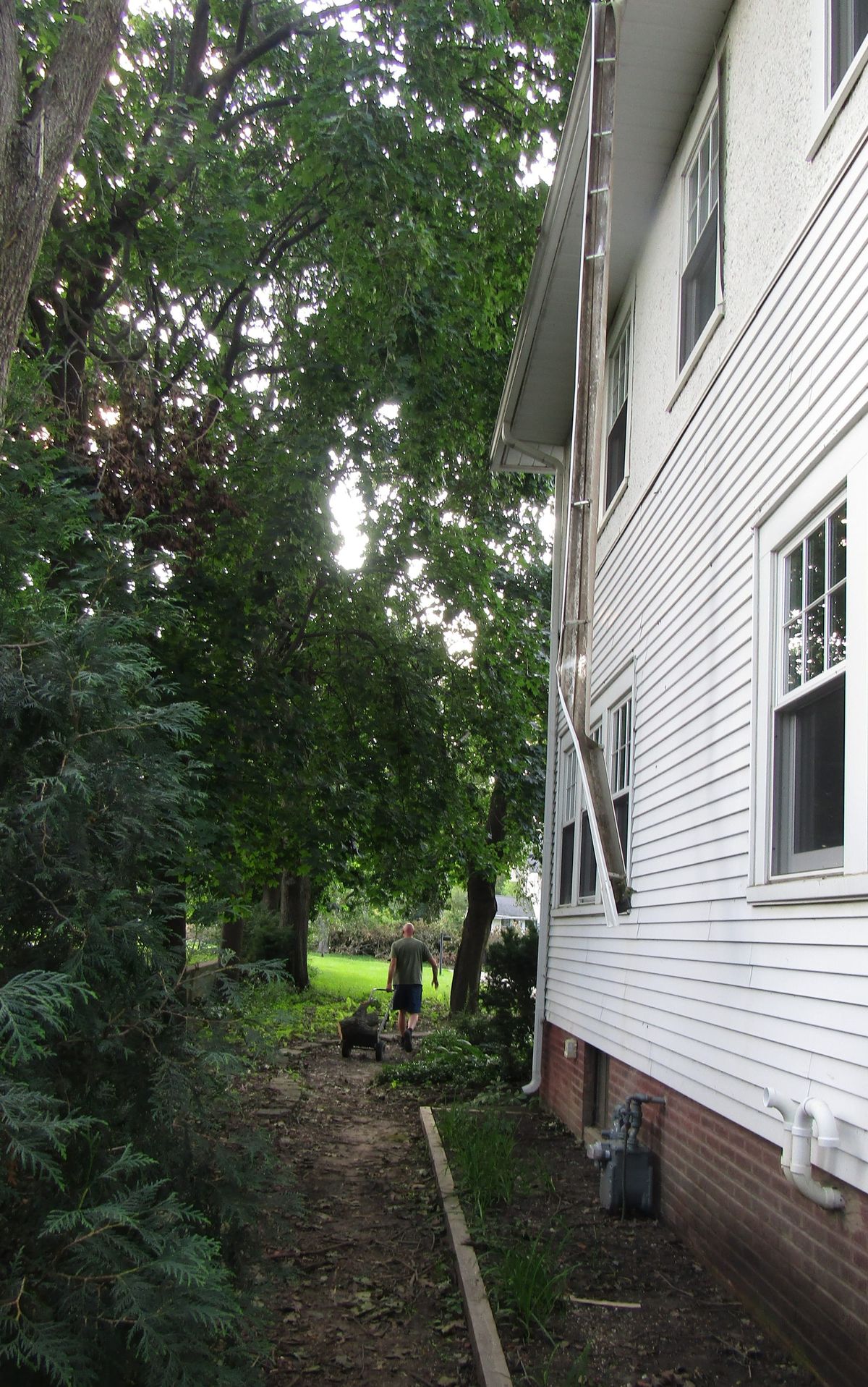
With her power out, she needed to go to an emergency room to charge the battery. But a tree fell on the garage. Then the car wouldn’t start. With that one out of commission, Walker relied on the one that struggled to shift gears.
“It's just taking it basically one day at a time because we can't snap our fingers and fix anything,” she said.
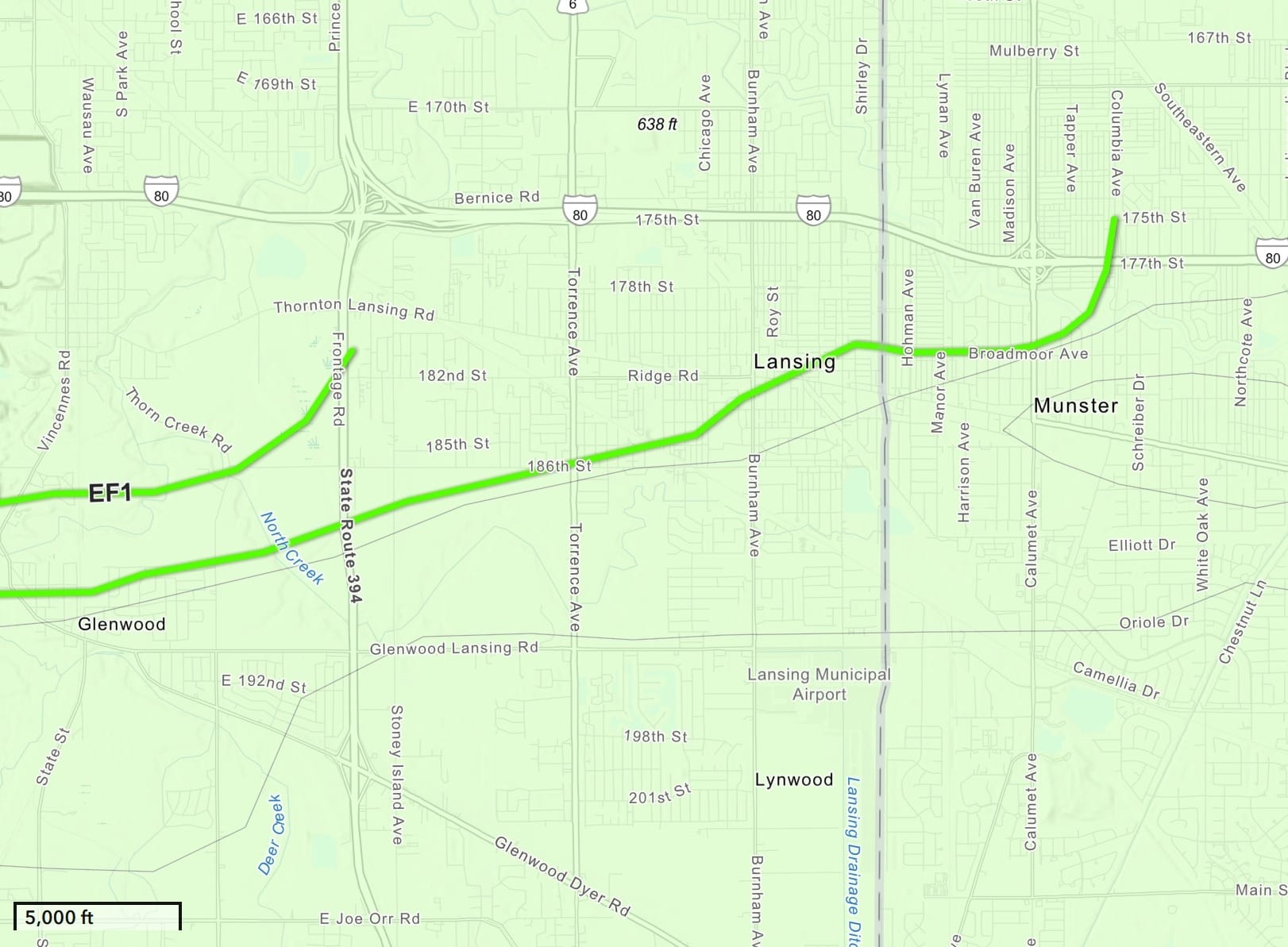
Walker is one of thousands of Southland residents still rebuilding weeks after severe summer storms tore through Cook County in August, leading Gov. JB Pritzker to declare the communities hit by E-1 tornadoes a disaster area. Her experience illustrates how fast a disaster outpaces the money and time it takes to recover it. Outages, flooding, and mold. Insurance gaps that leave repairs unfunded. Costs mounting faster than families can climb out from under them.
For example, she had to pay for an Airbnb for a week to have electricity. Her generator died. She lost furniture and appliances from flooding. Her insurance lapsed.
And at a relief event held in Homewood last month, Walker said she was hoping to get food back, especially the milk-based foods her two-year-old son needs.
Hundreds of people from across the region turned out for the event Walker attended, a multi-agency effort to put resources storm victims needed under one umbrella.
Dee Jones and Nancy Parker of Chicago Heights said the severity of the storm came as a surprise.
“We don't have tornadoes in this area… and now we have had three major storms,” Parker said. “I'm 50 years old. I've never seen anything like that.”
“Jesus, never. Living without lights, food gone.” Jones said.
Annie Hines, a retiree and 20-year resident of Lansing, said a tornado spared her house, but her closet, furnace room and other areas flooded during the storm.
“We were trying to get the water out, but it was steadily coming in; it was useless,” Hines said. “And after we got most of the water out, mold started spreading.”
She said she lost power for six days and had no way to run her sump pump, refrigerator or dehumidifier. By the time she borrowed a generator, she had lost all her food, her kitchen walls had warped and her furnace broke.
She doesn’t have flood insurance to recover her costs.
“If I saw it coming, I would have had flood insurance. But if you lived in the house for 20 years and never got any water?” Hines said.
“It's going to take a while because I'm retired and I'm on fixed income,” she added. “It's money, money, money.”
Alicia Meeley, of Homewood, said a tree fell on her house, taking out a portion of the roof and the decking underneath. She had placed a tarp over the damage to keep rain from coming in.
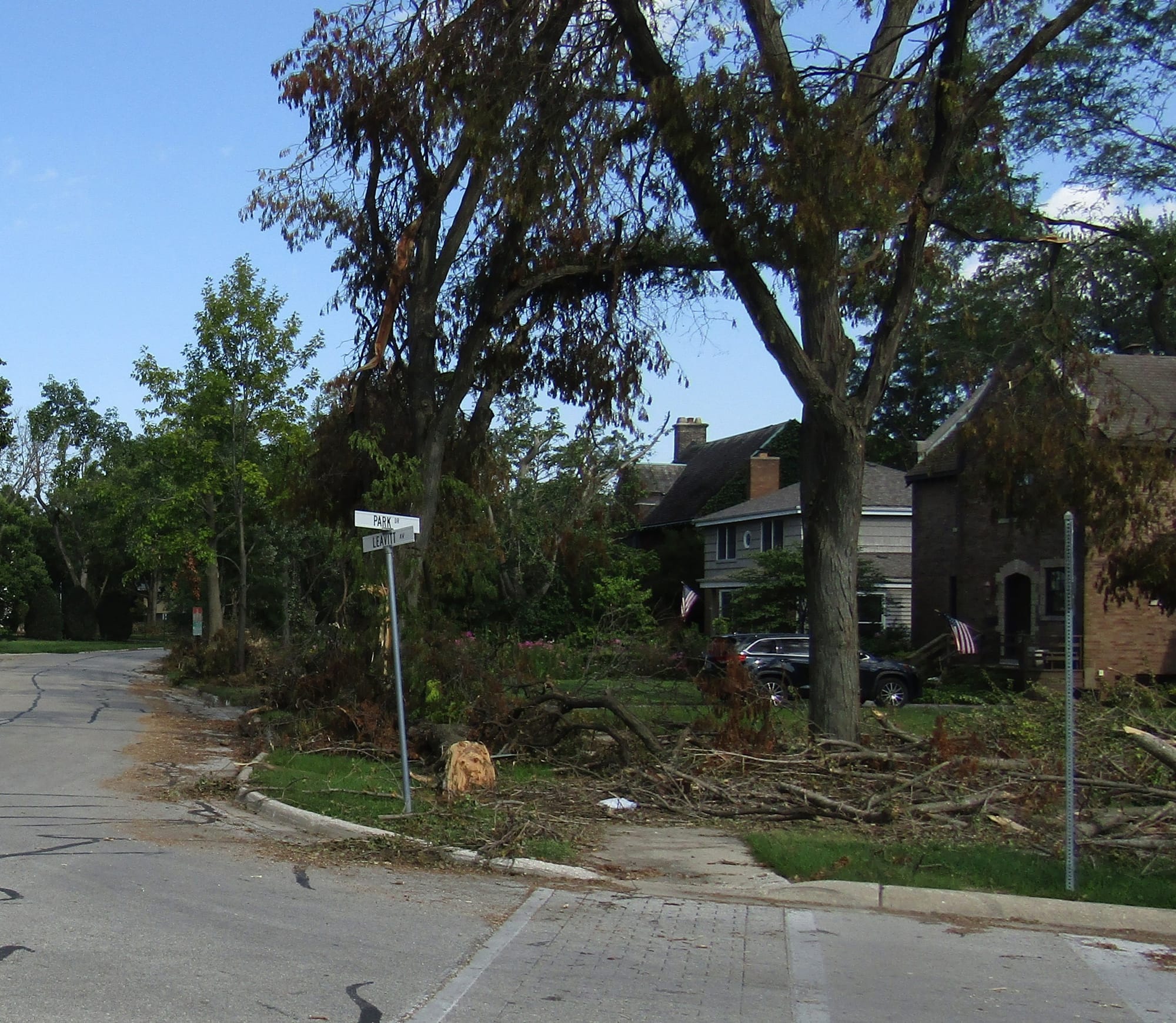
The event was her first opportunity to get additional quotes and estimates on the tree removal. Between work and fixing her home, she said, she had been calling around to get quotes using the flyers and cards left on her door by removal companies canvassing the neighborhood. One quote estimated $14,000.
Because she lost power for four days, the food in two refrigerators and a freezer spoiled.
“Hundreds. I would say $400 to $550 almost,” Meeley said about her loss.
For those living paycheck to paycheck, she added, it can be hard to ever be prepared for a natural disaster.
“Everything is out of my control,” she said. “Initially, you cry when you see it, but then you need to think. So, you’ve got to stop the crying and try to get things done.”
Looking toward the future
While the storms brought tragedy and loss, they also demonstrated the strength of communities and neighborhoods.
Parker and Jones of Chicago Heights said that while the city cleared road debris, the neighborhood also came out in force.
“You had to park your car in the street, walk to your house, and everybody was pitching in,” Jones said. “Everybody came out and started getting their saws and stuff … that was so touching.”
Others found solace in family or faith.
"I get to kind of trauma dump at church," Walker of Olympia Fields said. "I talk to God, I'm around my people, I pray on it. Whatever's gonna happen, it's gonna happen."
For those who need tornado or storm recovery services, visit your local government pages or the state’s virtual Multi-Agency Resource Center, or MARC, at https://ready.illinois.gov/after/marc.html.